
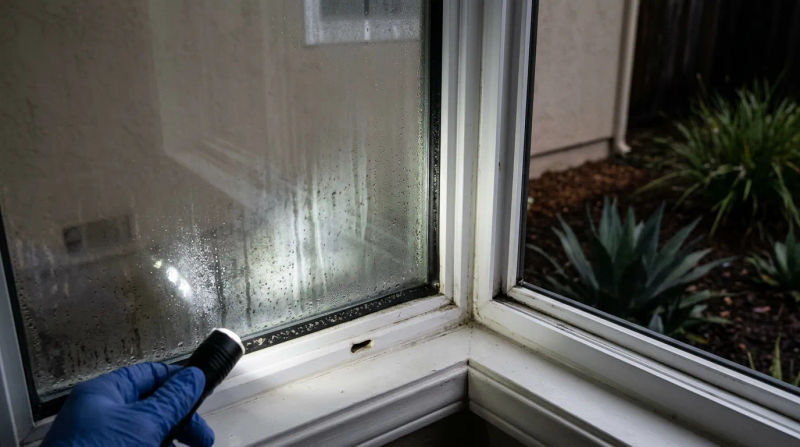
As a Senior Window & Door Installation Specialist with over a decade of experience in the Campbell area, I’ve seen a common pattern emerge each September. The first cool, coastal-influenced mornings arrive, the nights get a little crisper, and homeowners start noticing something odd about their windows. It’s a persistent fogginess or a hazy film that no amount of cleaning can remove. If this sounds familiar, you’re likely looking at a problem that’s not on the glass, but in it.
That blurry view is more than just a cosmetic issue; it's a clear signal that your double-pane windows are no longer performing as they should. Understanding what’s happening and why is the first step toward restoring clarity, comfort, and energy efficiency to your home before the wetter winter months set in.
Common Signs and Symptoms
The most obvious sign of a problem is, of course, the visual obstruction. But the issue can manifest in a few different ways, often progressing over time. Here’s what our technicians are trained to look for during an inspection:
- Visible Condensation or Fog: This is the classic symptom of condensation between window panes. You might see moisture, fog, or what looks like water droplets trapped between the two layers of glass. It may appear in a corner at first and expand over time, or it might cover the entire window, especially on cool mornings.
- A Milky or Hazy Film: As trapped moisture evaporates, it can leave behind mineral deposits. This creates a permanent, semi-opaque film on the interior surfaces of the glass. The window will look consistently dirty or hazy, even after you’ve just cleaned it.
- Distorted Views: In some cases, changes in pressure inside the sealed unit can cause the glass panes to bow slightly inward or outward. This can lead to distorted reflections and a slightly warped view when looking through the window.
- Reduced Sound Insulation: One of the benefits of a properly sealed double-pane window is noise reduction. If you start noticing that outside traffic or neighborhood sounds seem louder than they used to, it could be another subtle sign that your window’s seal has been compromised.
It’s important to distinguish this from condensation on the interior or exterior of your window. A little fog on the outside on a humid morning or some moisture on the inside during a cold winter night is normal. The problem is when you see these foggy windows and the moisture is sealed between the panes.
What Causes This Problem
To understand the problem, we first need to understand how a double-pane window - also known as an Insulated Glass Unit (IGU) - is constructed. It consists of two panes of glass separated by a spacer. This spacer creates an airtight cavity that is typically filled with an inert gas, like argon or krypton. The spacer itself contains a desiccant material, similar to the silica gel packets you find in new shoes, designed to absorb any trace amounts of moisture trapped during manufacturing.
The primary cause of foggy windows is double-pane window seal failure. The perimeter seal that holds the entire unit together and keeps the gas in is the most vulnerable part. Over many years, this seal is stressed by:
- Thermal Expansion and Contraction: Daily and seasonal temperature swings cause the glass, frame, and sealants to expand and contract. Here in the South Bay, the temperature difference between a sun-drenched afternoon and a cool, coastal-influenced night puts constant stress on these materials. Over thousands of cycles, the seal can weaken and develop tiny cracks.
- Age and Material Degradation: Sealants simply don't last forever. Exposure to UV radiation from the sun breaks them down over time. This is especially true for older windows. Many homes in our area, particularly the single-story Ranch homes built during the 1950s post-war boom in neighborhoods like Sunnyvale, are now operating with windows that are well past their expected service life. The original double-pane technology from that era was not as advanced as it is today, making seal failure almost inevitable.
- Physical Damage: A significant impact to the window or frame can also break the seal.
Once the seal is broken, moist outside air begins to seep into the space between the panes. The desiccant material becomes saturated and can no longer absorb the moisture. The inert gas, which is a better insulator than air, escapes. At this point, the window has lost all of its insulating properties and is functionally no better than a single pane of glass.
When to Call a Professional
Once you’ve confirmed the condensation is between the panes, the seal has failed permanently. The question then becomes what to do about it. While some companies offer